
Given that we love a good challenge and creating tech solutions that improve the quality of life and address real issues, we participated in Hackl - the Hackathon for Open Zagreb at the end of November.
The theme of the Hackathon was the reservation and overview of available city spaces in Zagreb.
Zagreb has 225 public spaces across 17 neighborhoods that aren’t optimally utilized. A significant number of citizens aren’t aware they can book city space, the ones they are facing significant challenges trying to do so.
The current presentation of space information is poor. It does not help in finding spaces and available time slots, the process of booking is manual and inefficient.
Therefore, Ivan Mikuličić , Ivan Livić, Kresimir Certic Misch, and I attempted to solve this problem within the given timeframe of about 40 hours.
2. Admin interface (with several different levels of permissions) - To enable City employees to monitor, approve, reject requests, and add new spaces with relevant details
We started by:
• Briefly analyzing and discussing the functionalities specified in the application requirements (there were indeed many – precisely 12!)
• Brainstorming initial ideas and challenges we foresee based on our experience
• Assigning responsibilities based on personal skills
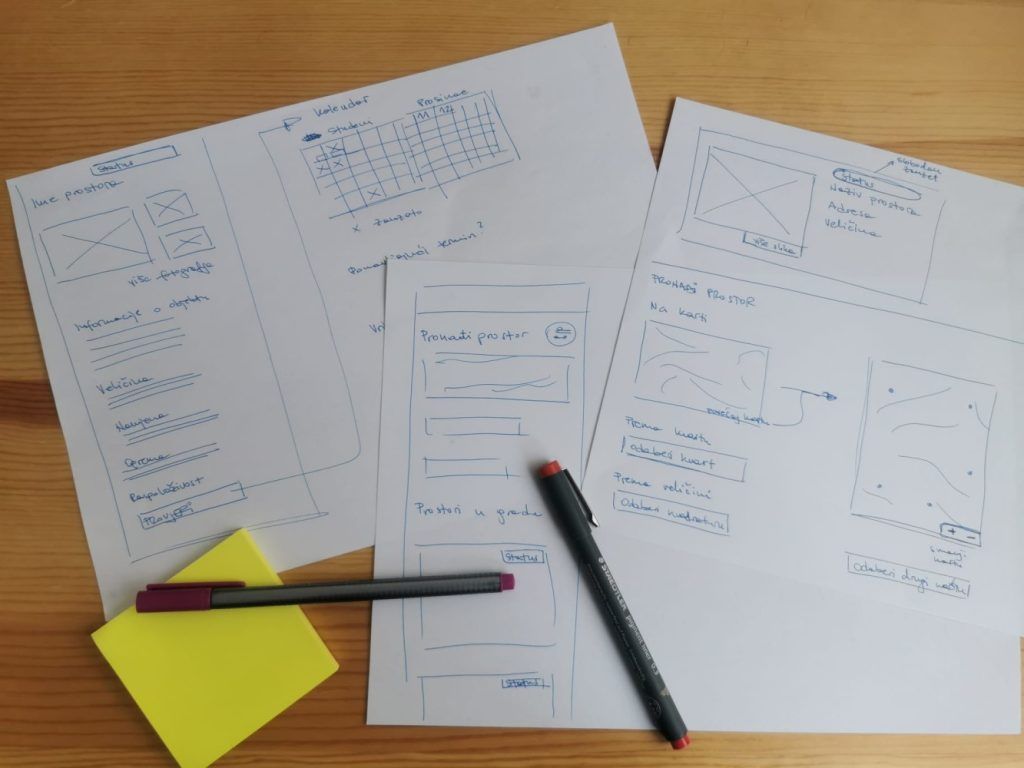
Given the very limited timeframe, coding the solution "from scratch" was unrealistic.
To find a potentially workable solution, we decided to explore no-code and low-code platforms. Ivan Mikuličić and Ivan Livić analyzed several platforms, including Coda, Notion, Airtable, and Bubble.
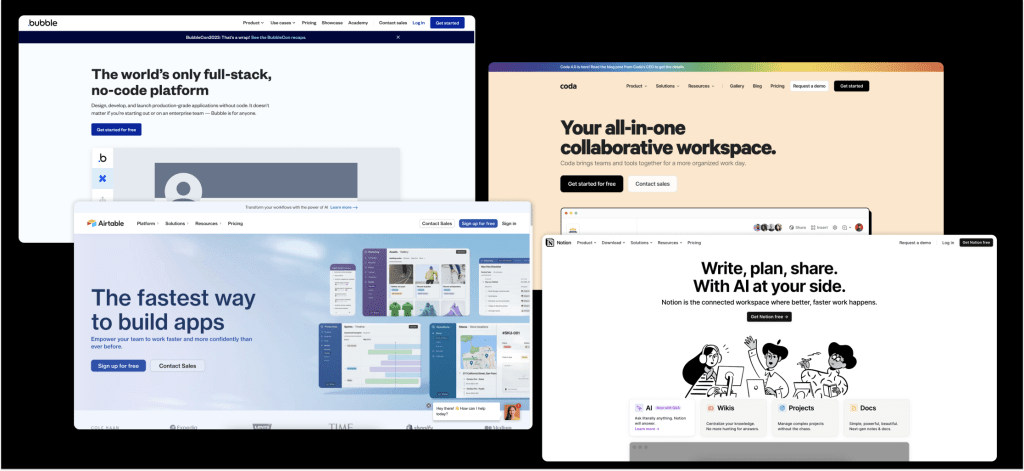
After a quick evaluation, we decided to use Airtable - due to its user-friendly interface, logic, and functionalities it supports. It seemed like a platform that supported everything we needed to implement.
Advantages of Airtable:
Since we couldn't figure out how to brand the Airtable application and create a custom UI in a short timeframe, I proposed to design another solution in Figma.
This solution was a vision for what we could do in the future - if we were given the chance to execute this project.
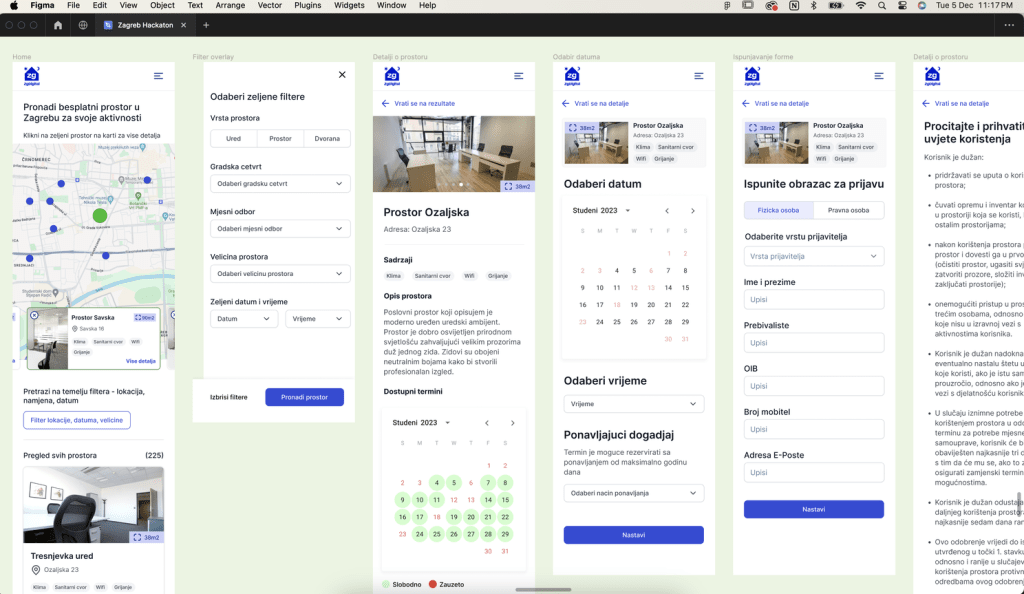
I decided to start with the experience from the Citizen’s point of view. Assuming that they would be searching for spaces and submitting requests 'on the go,' I focused on a mobile web solution.
Custom design is powerful because it allows us to:
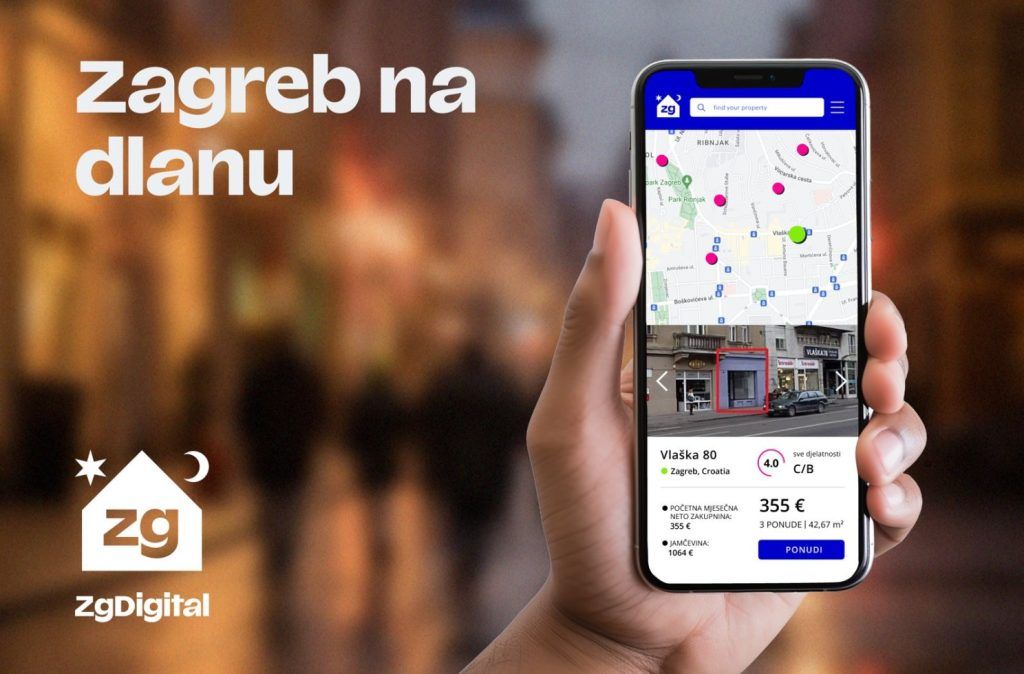
A few hours into the project we had an application name, logo, colors, and icons in the making. It was slowly coming to life!
The clock was ticking, we were all busy working, but somehow the progress seemed slow. We were in the problem-solving, solution-building phase, going somewhere but very unsure if we would reach our destination.
I started feeling tired, losing focus, and not sure of my priorities. Not having the time to play with potential solutions and explore different directions before setting to one was frustrating.
We did a first round of internal review and feedback. I have to say - I didn't like what I heard 🙂 I generally handle the feedback fine as a designer. But this time it frustrated me. I knew the output wasn’t great, I had the vision for what I wanted to do - but the time was so short. I felt a bit defeated.
Once Ivan Mikuličić was clear on the requirements he isolated himself as much as possible from the noise and focused on execution. (good call! :D)
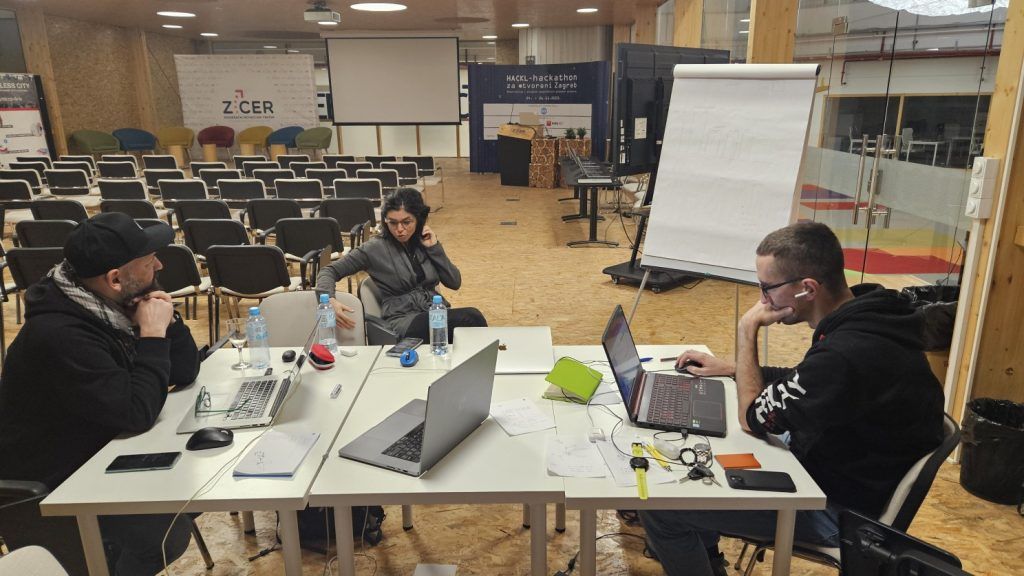
He managed to achieve what I thought was impossible – in 12 hours he developed all the required functionalities for the user and admin interfaces on Airtable.
We tested the solution several times, and with minimal changes to colors and component positions, it looked really good!
It's an understatement to say that we were amazed by the possibilities and usability of Airtable.
I designed the mobile responsive web application for the Citizens in Figma and linked it to a clickable prototype.
Video of the Figma design

No, we didn't win. But we are genuinely proud of the solution we managed to create during the Hackathon! Until this Hackathon, we haven't fully explored the possibilities of low-code and no-code applications in creating digital products.
We are now convinced that they are indeed a good potential alternative to coding from scratch (for certain purposes of course).

🗣 🥇 Happy to announce that VendueTech innovative product idea not only was accepted, but came 1st in the ZICER - Zagreb Innovation Centre's new cohort of startups.
🎉 Thanks to awesome team for getting another positive milestone!
If you are interested in a equity based role in early stage startup, we are currently hiring for:
AI engineers
Full-stack engineers
Front-end developers
Back-end developers
UX Researcher
Sr. Product designer
Legal
Investor Relations Manager
Reach out to jobs@venduetech.com with a CV and a short motivational paragraph.
At ZICER - Zagreb Innovation Centre, a new generation of innovative technology startups presented interesting solutions that, with the application of achievements in the field of robotics and artificial intelligence 🤖 , have the potential to solve the challenges of cyber security, health, energy, education, and a wide range of other areas.
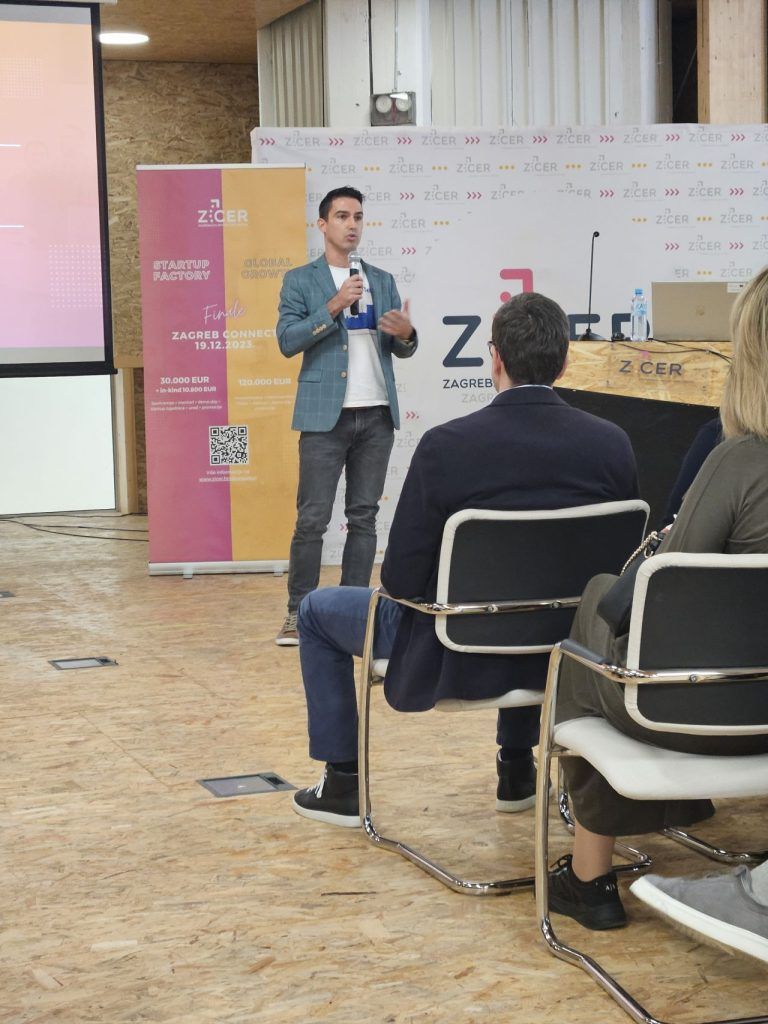
VendueTech's CEO Ivan Livić presented our startup and we are very excited to be part of this year's competition. 💪

Startup Factory will provide technology-oriented teams and young startups with accelerated development and help with validation, entering the market, and accessing the first customers and investors. All selected participants will gain valuable knowledge through an intensive schedule of boot camps consisting of workshops, lectures, and mentoring. The program ends on December 19, 2023 with a demo day at the startup conference Zagreb Connect. Then, the expert jury will select the three best teams or startups from all the participants, which will win funds from the money fund of 30,000 euros. 💶